Recently, I attended a marketing conference where I sat in on a session on “Neuroinclusive marketing”, run by Lerryn from The Academe. While I’ve learned much about representation and accessibility in marketing over the past decade-plus I’ve been in the industry, this was a relatively new topic for me and I found it so interesting and valuable, with lots of easy actions that we can take to make our marketing more inclusive. Read on to find out what I learned – and what it could mean for your dental practice.
What is neurodivergence and why does it matter?
Up to one in five people in the UK is neurodivergent: that’s ADHD, autism, dyslexia, dyspraxia, dyscalculia and Tourette’s, among others. A fifth of the population, and very likely a fifth of your patient base and prospective patients too.
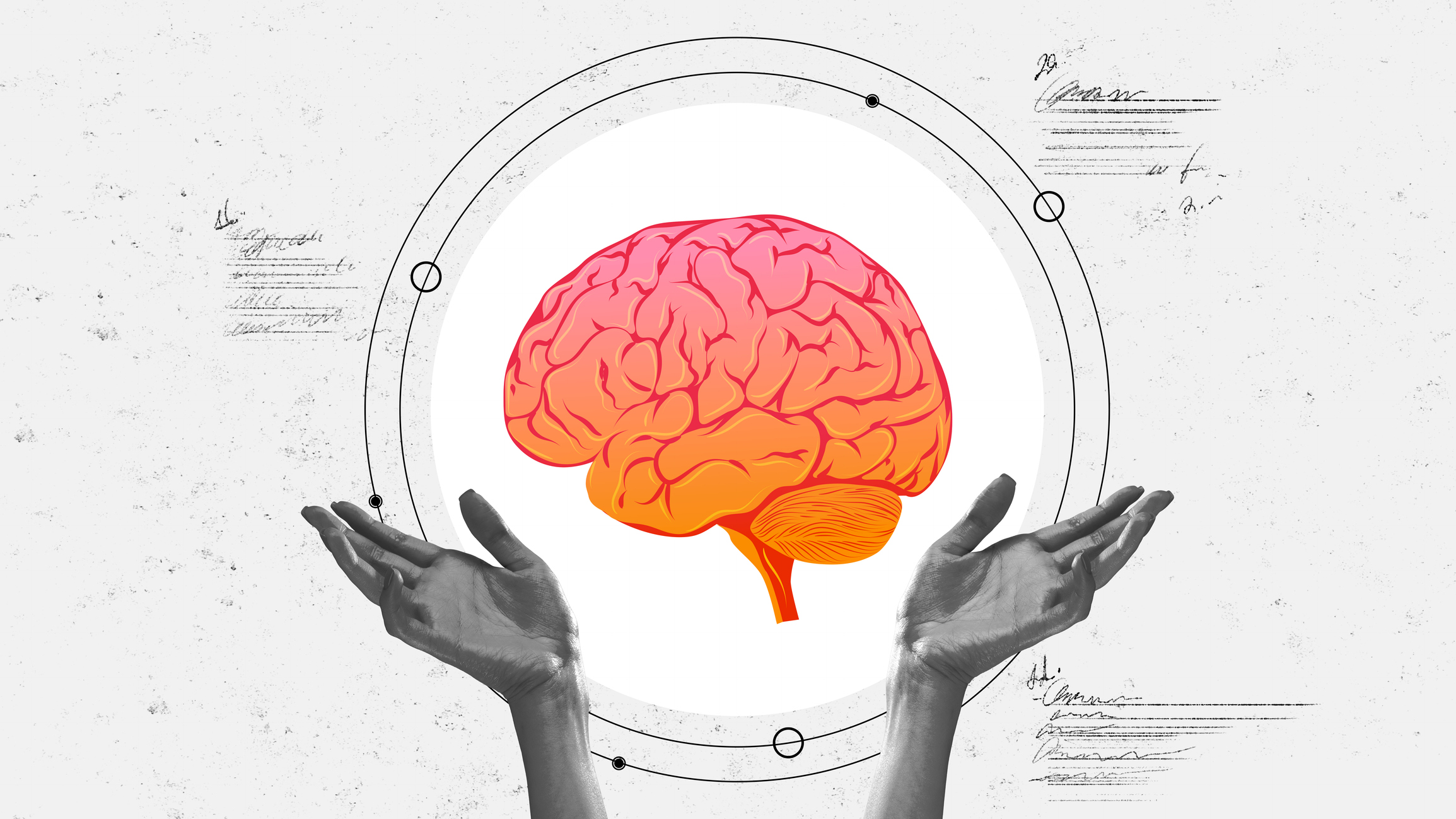
Neurodivergence means a brain that processes information, attention, and sensory input differently from what’s considered “typical”. It isn’t a deficit. It’s a different operating system, and it comes with real strengths, like hyperfocus, pattern recognition, creativity, and honesty. But it also means the way most marketing is written and structured can create unnecessary friction. Vague messaging, open-ended calls to action, and cluttered pages don’t just underperform with neurodivergent audiences, they actively push people away at the exact moment you want them to book.
This matters commercially, not just ethically. A fifth of your market finding your marketing stressful to engage with is a fifth of your market you’re losing to friction, not to price or to the treatment itself. Fix the friction and you open the door to patients who were ready to book but couldn’t work out how, or when, or what would happen next.
How is communication with neurodivergent people different?
Cognitive load is already spoken for
Everyone has a finite amount of cognitive load available at any one time. For a neurodivergent person, daily life already claims a larger share of it: masking, sensory management, executive function tasks that others do automatically. By the time they reach your website or your Facebook ad, there’s less spare capacity left to decode what you’re asking of them.
The practical implication is simple: your marketing shouldn’t need to be figured out. Every ambiguous sentence, every unclear next step, every “click here to learn more” that doesn’t say what “more” actually is — that’s you spending a cognitive budget your audience doesn’t have to give.
ADHD and dopamine: motivation needs a reason
ADHD is linked to dysregulated dopamine signalling, which affects motivation and reward-seeking. Tasks that feel effortful or unrewarding get deprioritised, however important they are…including booking a dental appointment. Marketing that relies on obligation (“you’re due a check-up”) competes with a brain that’s wired to seek stimulation and reward, and obligation alone often loses.
Gamifying the process, even lightly, helps. A completed-step tracker, a small reward for booking, a sense of progress, all give the brain something to chase, not just something to endure.
Object permanence and memory
Some people with ADHD experience something close to reduced object permanence: out of sight really is out of mind. A single reminder email sent once, three weeks before an appointment, is unlikely to land. Multiple channels – email, SMS, a call, a follow-up – and repeated touchpoints aren’t nagging. They’re the difference between an appointment kept and a no-show nobody intended.
Safety before action
Neurodivergent people are, on average, more used to being corrected, misunderstood, or told they’re doing something “wrong”. That history doesn’t disappear when they land on a landing page. Before someone will commit to treatment, they need to feel that getting it wrong, asking a “silly” question, not knowing the jargon, changing their mind, won’t be met with judgement. Marketing that feels safe, patient, and free of hidden catches builds the trust that precedes the booking.
Values over polish
Many neurodivergent people are strongly values-led, often preferring honesty and substance to polish or salesmanship. Real patient stories, genuine reasons for a treatment’s value, and straightforward explanations of what happens and why tend to land better than glossy claims. Authenticity isn’t just a nice-to-have, it’s often what earns the click in the first place.
How can you make your marketing inclusive and accessible?
Remove barriers
Make the path to booking as frictionless as possible, and don’t leave it to the patient to chase you. Automations should carry the weight: confirmation messages, pre-appointment information, and follow-ups that go out without anyone needing to remember to send them. Nurture sequences and remarketing keep your practice visible without demanding the patient hold you in mind unprompted which, as above, isn’t a given.
Reduce overwhelm
A page that tries to explain everything at once explains nothing well. Break information into clear, separate steps rather than a single dense block. One idea per section. One action per screen. If a form has six fields, show them progressively rather than all at once. The goal isn’t to say less, it’s to say it in a shape that can actually be taken in.
Improve motivation
If dopamine is the currency, spend some. A free consultation, a small thank-you for booking, a loyalty scheme, a visible sense of progress through a process, these aren’t gimmicks, they’re accommodations. Make the experience of engaging with your practice enjoyable as well as necessary, and make it feel safe rather than transactional.
Be specific
Vague language is one of the biggest, and easiest to fix, sources of stress in marketing. “We’ll be in touch soon” leaves an open loop that a neurodivergent brain can find genuinely hard to close. “We’ll email you tomorrow by 5pm” closes it immediately. Wherever you can, replace vague timeframes with specific ones, and vague instructions with specific steps: not “get in touch to find out more” but “call 01872 XXX XXX and we’ll book your consultation in the next five minutes.”
The bottom line
Neuroinclusive marketing isn’t a niche accessibility add-on, it’s better marketing, full stop. Clear steps, specific timelines, real reassurance, and genuine reward benefit every patient, not only the one in five who are neurodivergent. Ambiguity costs you bookings you never see the loss of. Clarity gets them back.
If you’d like help with your dental marketing or patient communications, get in touch with the marketing team at Hive Business today and we will be happy to help.