Since the early days of AI, only a few years ago, it’s come a long way. Today, it’s a time- and labour-saving tool used by companies all over the world. It can take notes, produce summaries, and generate reports (to name just a fraction of its functions). In April this year, the tech giant Meta – owner of Facebook and Instagram – announced it’d be channelling billions more dollars into AI investments.
There’s no denying that AI has turned a corner. It’s now more widely used than ever, and this is partly due to its ongoing improvements. But this presents an interesting challenge. If AI is often accurate, we’re all more inclined to trust it. For everything from everyday email drafts to far more complex areas, such as accounting. These days, if you ask AI a question about tax, you certainly get an answer.
But, when having the right answer really counts, how confident can we be? It’s there at the bottom of your page: “ChatGPT can make mistakes.” This doesn’t mean I’m knocking it; for the correct job, AI is a fantastically helpful tool. So much so, that it’s becoming a part of our daily life. However, I firmly believe that we still need people – experts, in fact – to help with the big decisions. It’s about choosing the right person (or tool) for the job.
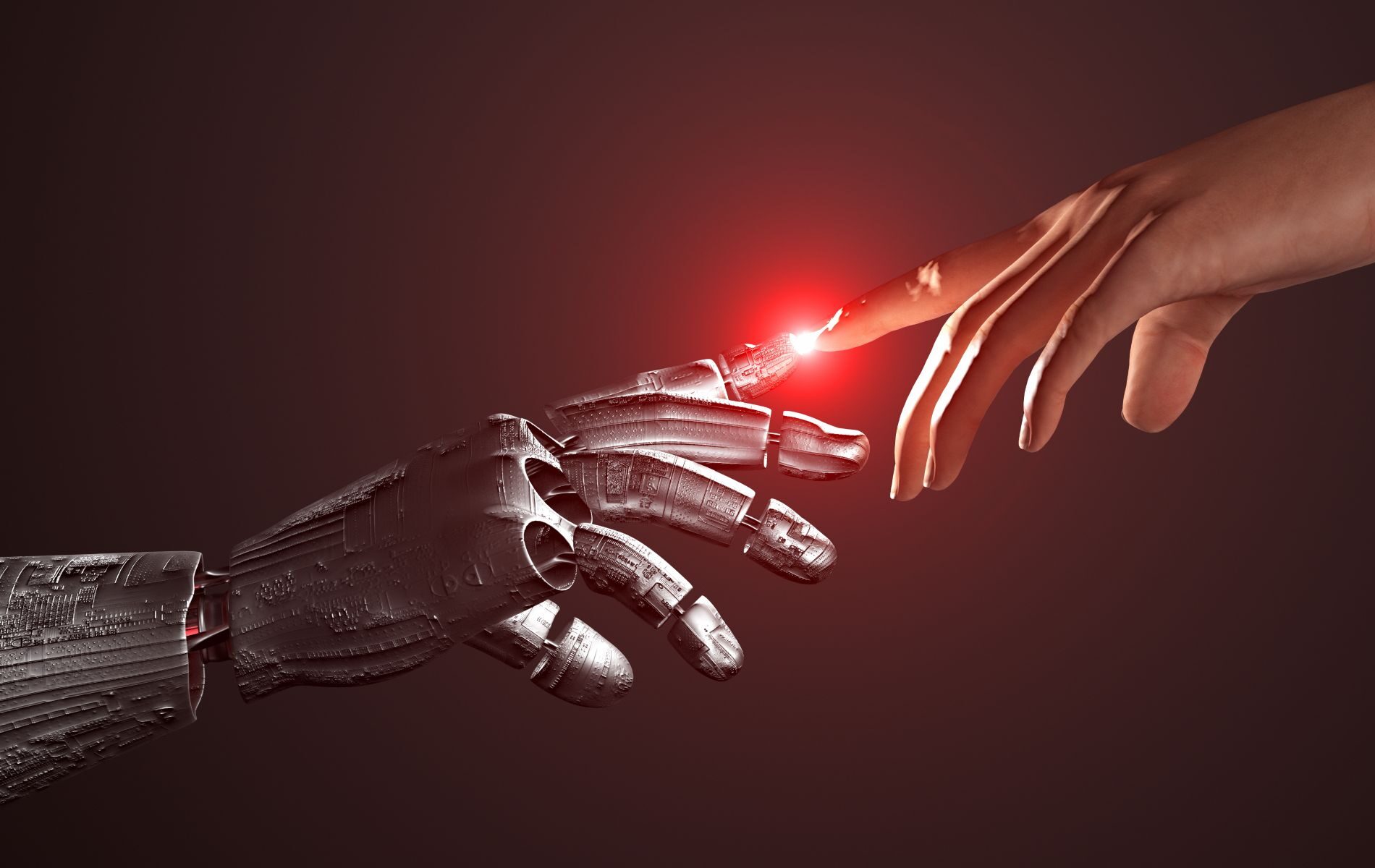
At Hive, we’ve always been vocal advocates of working in collaboration. We bring a wealth of diverse and specific skillsets to the services we offer, and we’re not afraid to challenge each other or lend extra insight on a client’s behalf. For us, things are no different when it comes to AI. Because the simple fact is: AI is a good team member. It can handle technical and analytical work quickly and efficiently. But it will always be a stronger team member when it’s truly working as part of a team.
For instance, you might be thinking about how to sell your practice. Chances are, this is something you’ve spent your career working towards. It’s the milestone moment that will set up your future life and retirement. You could delegate the whole thing to AI. Cutting out the “middle human” will certainly save you money initially. But on a million-pound sale, small oversights or missed opportunities can add up.
Of course, it’s not just the transaction itself – it’s everything that leads up to it. And this is why it’ll always be preferable to have an expert involved. Someone who has the expertise to ask AI the right questions, let it handle the areas it does well, and then (crucially) take back the reins at the right moment. By using the wealth of data and detail AI generates, we can interpret it in different, and distinctly human, ways. In a practice sale, this means exploring every single opportunity to set you up for greatness, often years in advance. By seeing a real person, who knows your individual hopes, plans and history, you can fully trust the hands you’re in.
That’s why I think we’re still a long way from AI taking over completely. When it comes to the crunch, and life’s big decisions are in the works, there’s no need to choose an either-or. A chatbot can complement a team, but it can never truly know the best outcome. This doesn’t just apply to practice sales; it’s relevant to everything that benefits from deep experience and person-to-person understanding. Tax planning, accountancy, and even digital marketing all require a real eye on the prize.
So, like any team member, AI shouldn’t be left solely to its own devices. It has its strengths, but it also has limitations, and knowing how to get the best out of it is the job of an experienced manager. Next time you’re tempted to take an answer at face value, get in touch with our team – there might be more to discover.